High blood pressure, also known as hypertension, affects millions of
people worldwide. It is often called the "silent killer" because it
can damage your heart, brain, kidneys, and blood vessels for years without
causing obvious symptoms.
While many people with high blood pressure feel completely normal, there
are warning signs and health changes that may indicate your blood pressure
needs attention. Recognizing these signs early can help prevent serious
complications such as heart attacks, strokes, and kidney disease.
1. Frequent Headaches
Occasional headaches are common and can result from stress, dehydration,
or lack of sleep. However, recurring headaches, especially severe ones, may
sometimes be associated with uncontrolled high blood pressure.
If headaches become persistent or unusually intense, it is worth checking
your blood pressure.
2. Shortness of Breath
Struggling to catch your breath during routine activities could indicate
that your heart is working harder than it should. High blood pressure can
strain the cardiovascular system and may contribute to breathing difficulties
over time.
3. Dizziness or Lightheadedness
Feeling dizzy from time to time may not be cause for concern, but
repeated episodes should not be ignored. Dizziness can be linked to several
medical conditions, including blood pressure problems.
4. Blurred Vision
High blood pressure can damage the tiny blood vessels in the eyes,
affecting vision. Blurred or impaired vision may be one of the earliest signs
that hypertension is affecting your health.
Regular eye examinations can sometimes reveal blood pressure-related
damage before other symptoms appear.
5. Chest Discomfort
Pressure, tightness, or discomfort in the chest should always be taken
seriously. Although chest pain can have many causes, it may indicate that high
blood pressure is placing excessive strain on the heart.
Seek immediate medical attention if chest pain is severe or accompanied
by shortness of breath.
6. Persistent Fatigue
Feeling unusually tired despite adequate rest may signal an underlying
health issue. High blood pressure can affect blood circulation and place extra
stress on the body, contributing to ongoing fatigue.
7. Irregular Heartbeat
Some people with hypertension experience palpitations or a sensation that
their heart is racing, pounding, or skipping beats. These symptoms should be
evaluated by a healthcare professional.
8. Nosebleeds
Although not a common symptom, frequent nosebleeds may occur in some
individuals with significantly elevated blood pressure. Recurrent nosebleeds
warrant a medical evaluation.
9. Difficulty Concentrating
Poor concentration, confusion, or memory difficulties can sometimes be
linked to reduced blood flow efficiency caused by long-term hypertension.
Because these symptoms can result from many different conditions, they
should not be ignored.
10. Swelling in the Legs and Feet
Chronic high blood pressure can contribute to heart and kidney problems,
which may lead to fluid retention and swelling in the lower limbs.
Persistent swelling should always be assessed by a healthcare provider.
The Most Important Sign: No Symptoms
at All
One of the greatest dangers of high blood pressure is that many people
experience no symptoms whatsoever. You may feel healthy while hypertension
silently damages your blood vessels and vital organs.
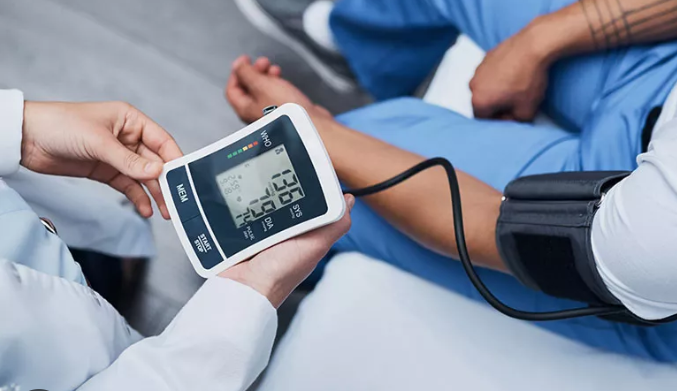
That is why regular blood pressure screening is essential, especially if
you have risk factors such as:
- Being overweight or obese
- Smoking
- Physical inactivity
- Excessive salt intake
- Chronic stress
- Family history of hypertension
- Diabetes
- Increasing age
How to Reduce Your Risk
The good news is that high blood pressure can often be prevented or
controlled through healthy lifestyle choices:
- Eat a balanced diet rich in
fruits and vegetables.
- Reduce salt intake.
- Exercise regularly.
- Maintain a healthy weight.
- Limit alcohol consumption.
- Avoid tobacco products.
- Manage stress effectively.
- Follow your healthcare provider's
treatment plan.
Final Thoughts
High blood pressure remains one of the leading causes of heart disease
and stroke worldwide. Although it often develops without noticeable symptoms,
paying attention to warning signs and scheduling regular blood pressure checks
can make a significant difference.
Remember, the absence of symptoms does not mean the absence of risk.
Knowing your numbers today could help protect your health tomorrow.