What you choose to put on your plate each day has a powerful impact on your health, energy levels, and overall quality of life. Among all food groups, fruits and vegetables stand out as some of the simplest and most effective tools we have for protecting our bodies and supporting long-term wellbeing. Yet, many people still fall short of eating enough of them.
Healthy eating does not have to be complicated or expensive. In fact, increasing your intake of fruits and vegetables is one of the easiest lifestyle changes you can make—one that delivers lifelong benefits.
Nature’s Protection for the Body
Fruits and vegetables are rich in essential vitamins, minerals, fiber, and antioxidants that support the body’s natural defenses. They help strengthen the immune system, support digestion, protect the heart, and reduce inflammation.
According to the World Health Organization (WHO), “Low fruit and vegetable intake is among the top risk factors for global mortality.” The WHO recommends consuming at least 400 grams of fruits and vegetables per day to reduce the risk of chronic diseases such as heart disease, diabetes, and certain cancers.
Simply put, fruits and vegetables help the body do what it was designed to do—function, heal, and thrive.
Eating the Rainbow: Why Variety Is Key
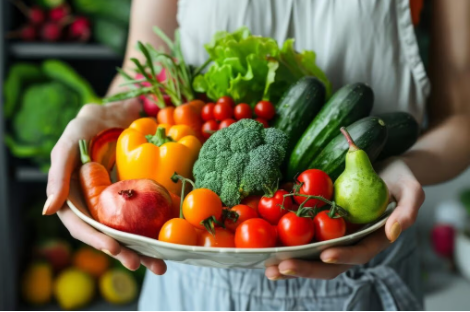
No single fruit or vegetable can meet all your nutritional needs. Each color provides different health benefits, which is why nutrition experts often encourage people to “eat the rainbow.”
- Green foods like spinach and sukuma wiki support eye health and digestion
- Red foods such as tomatoes and watermelon promote heart health
- Orange and yellow foods like carrots and mangoes boost immunity
- Purple and blue foods contain antioxidants that help protect cells from damage
- White foods like onions and garlic support immune and heart health
A colorful plate is not just appealing to the eye—it is a clear sign of balanced nutrition.
Fresh, Frozen, or Cooked—All Can Be Healthy
Many people believe fruits and vegetables must be eaten fresh and raw to be beneficial. In reality, frozen and cooked options can be just as nutritious.
Harvard T.H. Chan School of Public Health explains that “frozen fruits and vegetables can be nutritionally comparable to fresh ones and are often more affordable and accessible.” Cooking methods such as steaming, light sautéing, or boiling can even improve the absorption of certain nutrients.
The key is not perfection, but consistency.
Making Fruits and Vegetables Part of Everyday Life
Healthy eating works best when it fits naturally into daily routines. Small, realistic changes can have a big impact over time:
- Add fruits to breakfast meals such as porridge, smoothies, or yogurt
- Include vegetables in stews, soups, and sauces
- Snack on fruits instead of sugary or highly processed foods
- Aim to fill half your plate with vegetables at main meals
- Choose seasonal and locally available produce whenever possible
These habits are easier to maintain and more effective than extreme diets.
How Much Is Enough?
Nutrition experts recommend that fruits and vegetables make up a large portion of daily meals. Vegetables—especially leafy greens and non-starchy varieties—can be eaten generously. Fruits are healthy but should be consumed in moderation due to their natural sugar content.
The Centers for Disease Control and Prevention (CDC) notes that “people who eat more fruits and vegetables tend to have lower risks of obesity, heart disease, and stroke.” The benefits come not from a single meal, but from consistent, long-term choices.
Clearing Up Common Myths
Fruits and vegetables do not magically detox the body, and they do not need to be expensive or exotic to be healthy. The liver and kidneys already perform the body’s detoxification processes—fruits and vegetables simply support these natural systems.
What truly matters is regular intake, variety, and balance.
A Simple Step Toward Better Health
Healthy eating is not about strict rules or deprivation. It is about nourishing the body with foods that support long-term health and vitality. Fruits and vegetables are affordable, accessible, and powerful allies in disease prevention.
As nutrition expert Michael Pollan famously said, “Eat food. Not too much. Mostly plants.” This simple advice remains one of the most practical guides to healthy living.
Choosing more fruits and vegetables today is an investment in your future—one meal at a time.