Kale Farming in Kenya: Tips for Success
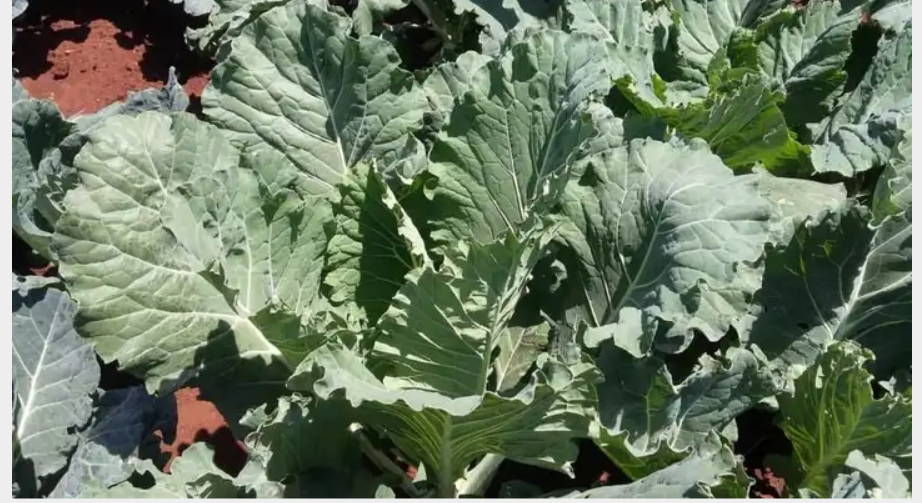
Kale farming, commonly known as sukuma wiki farming, is one of the most reliable and profitable vegetable enterprises in Kenya. Kale is widely consumed across the country, affordable to many households, and can be harvested continuously for several months. Because of its short maturity period and steady demand, kale is suitable for both smallholder and commercial farmers.
This article is written as a blog-style resource but is also structured to serve as a practical training guide for farmers, extension officers, agribusiness practitioners, and development programs.
1. Why Kale Farming Is Important in Kenya
Kale plays a central role in Kenya’s food system. It is grown in rural, peri-urban, and urban areas and performs well even on small plots of land. Kale matures quickly, allows repeated harvesting, and provides farmers with frequent income.
Nutritionally, kale is rich in vitamins A, C, and K, as well as iron and calcium. For many households, it is a key source of daily vegetables and contributes directly to food security and improved nutrition.
2. Suitable Climate and Growing Conditions
Kale grows best in cool to moderate climates, with optimal temperatures ranging between 15°C and 25°C. In Kenya, it performs well in Central Kenya, Rift Valley, Western Kenya, parts of Eastern Kenya, and highland regions.
Although kale can tolerate short dry spells, consistent moisture is essential for tender leaves and continuous harvesting. High temperatures often lead to tough leaves and increased pest pressure.
Key considerations include:
- Reliable rainfall or access to irrigation
- Protection from extreme heat
- Good air circulation to minimize disease
3. Soil Requirements and Land Preparation
Soil health is a critical determinant of kale productivity. Kale thrives in well-drained, fertile soils rich in organic matter, with a pH range of 6.0–7.0.
Land preparation should involve thorough clearing of weeds and loosening of soil to allow proper root development. Incorporating well-decomposed manure or compost improves soil structure, moisture retention, and nutrient availability. Where possible, soil testing helps farmers apply the right fertilizers and avoid unnecessary costs.
4. Seed Selection and Common Varieties in Kenya
Choosing the right kale variety affects yield, pest resistance, and market acceptance. Popular varieties grown in Kenya include:
- Thousand Headed Kale – high yielding and suitable for multiple harvests
- Sukuma Wiki – widely preferred in local markets
- Collard Greens – large leaves and good tolerance to cooler areas
- Hybrid varieties – improved uniformity and disease resistance
Using certified seeds from reputable agro-dealers ensures good germination and healthy crops, reducing losses at early stages.
5. Nursery Establishment and Planting
Kale is commonly established through nurseries. Seeds are sown in raised nursery beds mixed with fine soil and compost. Germination occurs within 5–7 days.
Seedlings are ready for transplanting after 3–4 weeks when they have 4–6 true leaves. Transplanting should be done during cool hours to reduce stress.
Recommended spacing:
- 45–60 cm between rows
- 45 cm between plants
Proper spacing improves airflow, reduces disease pressure, and promotes larger leaves.
6. Water Management and Irrigation
Consistent water supply is essential for quality kale production. Water stress results in poor growth, bitter taste, and reduced yields.
Farmers may use drip irrigation, sprinklers, or watering cans for small plots. Mulching with dry grass or crop residues helps conserve moisture, suppress weeds, and regulate soil temperature, especially during dry seasons.
7. Fertilization and Nutrient Management
Kale is a heavy feeder, particularly of nitrogen, which supports leafy growth.
Best practices include:
- Applying manure or compost during land preparation
- Top-dressing with nitrogen-rich fertilizers such as CAN or urea
- Applying fertilizer every 3–4 weeks after transplanting
Balanced nutrient management ensures continuous leaf production and good quality harvests.
8. Weed Management and Crop Maintenance
Weeds compete with kale for nutrients, water, and sunlight, particularly during early growth stages. Early and regular weeding is essential.
Routine crop maintenance should include removal of old or diseased leaves, replacing weak plants, and maintaining field hygiene to reduce pest and disease buildup.
9. Pest and Disease Management
Kale farming in Kenya is affected by pests such as aphids, diamondback moth, caterpillars, cutworms, and leaf miners. Common diseases include black rot, downy mildew, leaf spot, and damping-off.
An Integrated Pest Management (IPM) approach is strongly recommended.
Non-chemical control measures:
- Regular scouting to detect problems early
- Crop rotation and field sanitation
- Proper spacing to improve airflow
Recommended chemical control (use only when necessary):
- Caterpillars and diamondback moth: Emamectin benzoate, Spinosad, Lambda-cyhalothrin
- Aphids: Imidacloprid or Acetamiprid
- Fungal diseases: Mancozeb, Copper oxychloride, Metalaxyl-based fungicides
Chemical sprays should be applied in moderation and strictly according to label instructions and Ministry of Agriculture guidelines. Farmers must observe pre-harvest intervals to ensure food safety and prevent chemical residues.
10. Harvesting Practices
Harvesting starts 6–8 weeks after transplanting. Farmers should pick mature leaves from the bottom while leaving the growing point intact.
Regular harvesting encourages new growth and can continue for 4–6 months with good management. Proper handling improves shelf life and market value.
11. Farm Business Management and Record Keeping
Successful kale farming requires a business-oriented approach. Treating the farm as a business helps farmers control costs and maximize profits.
Farm records should include planting dates, input costs, labor expenses, harvest volumes, and sales income. These records help farmers identify profitable practices and plan better for future seasons.
Business tips:
- Prepare a simple farm budget before planting
- Track all expenses and income
- Align planting schedules with market demand
- Reinvest profits into better inputs and irrigation
- Join farmer groups or cooperatives for better market access
13. Marketing, Value Addition, and Profitability
Kale has a ready market in open-air markets, roadside stalls, hotels, schools, and supermarkets. Prices fluctuate based on supply and season.
Marketing tips:
- Target urban markets with higher demand
- Harvest early in the morning for freshness
- Grade and bundle kale neatly
- Supply consistently to build trust with buyers
Value addition options:
- Washing and trimming before sale
- Packaging in clean bundles or perforated bags
- Supplying pre-packed or chopped kale to retailers
Dry-season production often attracts better prices where irrigation is available.
14. Common Mistakes to Avoid
- Overcrowding plants
- Irregular watering
- Late pest and disease control
- Excessive use of chemicals
- Poor harvesting techniques
Avoiding these mistakes improves yields, quality, and profitability.
Conclusion
Kale farming in Kenya is a practical and profitable venture when supported by good agronomic and business practices. By investing in soil health, quality seeds, proper water and nutrient management, responsible pest control, and effective marketing, farmers can achieve consistent yields and reliable income. With planning and discipline, kale farming can sustainably support both household nutrition and commercial success.
References
- Ministry of Agriculture, Livestock and Fisheries (Kenya). Vegetable Production Guidelines
- Food and Agriculture Organization of the United Nations (FAO). Good Agricultural Practices for Vegetables
- Kenya Agricultural and Livestock Research Organization (KALRO). Horticultural Crop Production Manuals
- World Bank. Horticulture Value Chains in Kenya