Most people think losing weight means constantly fighting hunger. That’s
why many diets fail. You start strong, cut your portions, then suddenly
cravings hit hard and you end up eating more than planned. The truth is, eating
less does not have to feel like punishment.
The real secret is learning how to stay full while naturally reducing
calories. Instead of focusing on tiny portions, focus on smarter eating habits
that keep your body satisfied longer.
Fill Your Plate the Smart Way
One of the easiest ways to reduce portions without feeling deprived is by
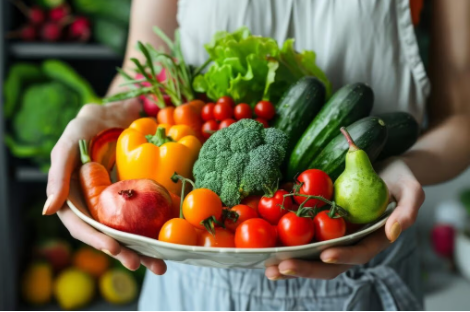
adding more vegetables to your meals. Foods rich in water and fiber help fill
your stomach without packing in too many calories. Your plate still looks full,
your meal still feels satisfying, but you end up eating less overall.
This works because your body responds to volume as much as calories. A
fuller plate creates the feeling that you’re eating enough, which helps prevent
the urge to snack shortly after meals.
Make Protein Part of Every Meal
Protein helps control hunger better than many processed foods. Meals with
enough protein tend to keep you satisfied for longer, making it easier to avoid
unnecessary cravings throughout the day.
You don’t need complicated meal plans or expensive supplements. Simple
balanced meals can make a huge difference. When your meals are satisfying,
portion control stops feeling like a struggle.
Slow Down While Eating
Many people overeat simply because they eat too fast or while distracted.
Eating in front of a screen or scrolling through your phone can make you ignore
your body’s fullness signals.
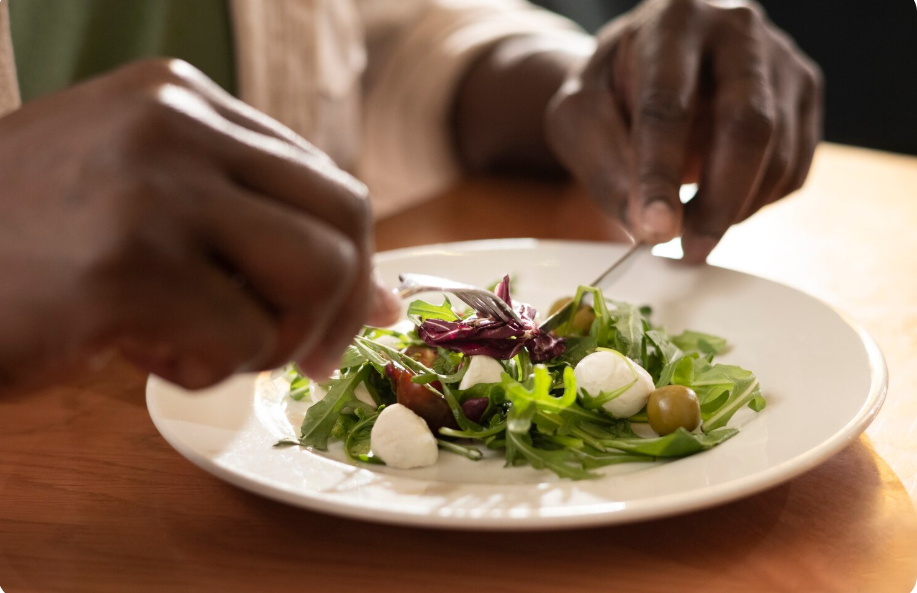
Slowing down helps your brain catch up with your stomach. When you pay
attention to your food, you naturally recognize when you’ve had enough instead
of eating on autopilot.
Even small habits like chewing slowly, putting your phone away, or taking
short pauses during meals can help you eat less without forcing yourself.
Drink More Water
Sometimes what feels like hunger is actually thirst. Drinking water
before or during meals can help you feel fuller and prevent overeating.
Sugary drinks create another problem because they add calories quickly
without making you feel satisfied. Replacing them with water can reduce your
calorie intake without changing the amount of food you eat.
It’s a simple habit, but over time it can make a noticeable difference.
Use Smaller Plates
Your brain pays attention to visual cues more than you realize. Large
plates often make portions look smaller, which encourages overeating. Smaller
plates create the opposite effect — the same portion looks bigger and more
satisfying.
This small psychological trick can help reduce portions naturally without
making meals feel restrictive.
Focus on Fiber
Fiber helps slow digestion and keeps you full for longer periods. Meals
with enough fiber help prevent sudden hunger spikes that usually lead to
unhealthy snacking.
Highly processed foods digest quickly, which is why they often leave you
hungry again soon after eating. Whole, balanced meals tend to provide
longer-lasting satisfaction and steadier energy throughout the day.
The Bottom Line
Eating less does not mean starving yourself. The goal is to make meals
more filling, balanced, and satisfying so you naturally consume fewer calories
without constantly thinking about food.
Small habits — like eating slowly, drinking more water, choosing balanced
meals, and controlling portions visually — can make weight management feel far
more realistic and sustainable.
The best results usually come from consistency, not extreme dieting. When
healthy habits become part of your daily routine, portion control starts
feeling effortless instead of exhausting.